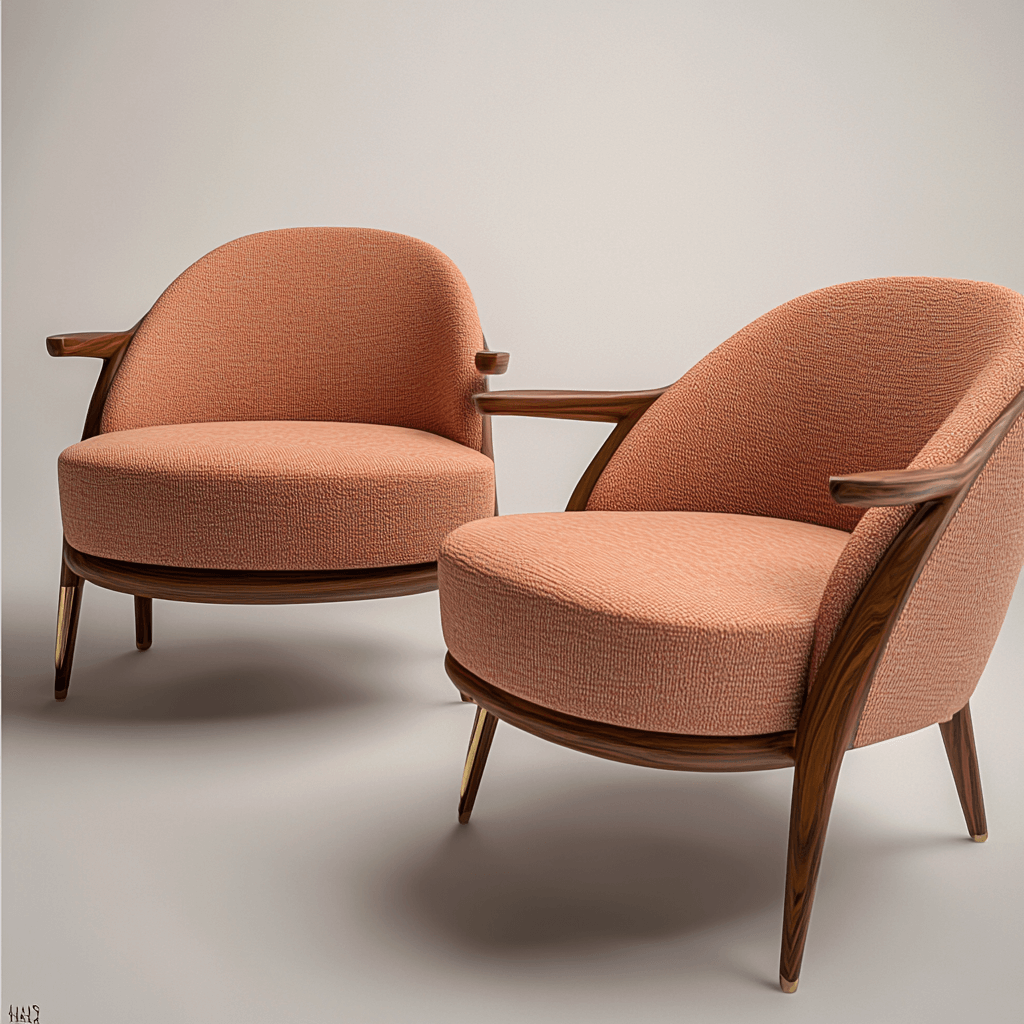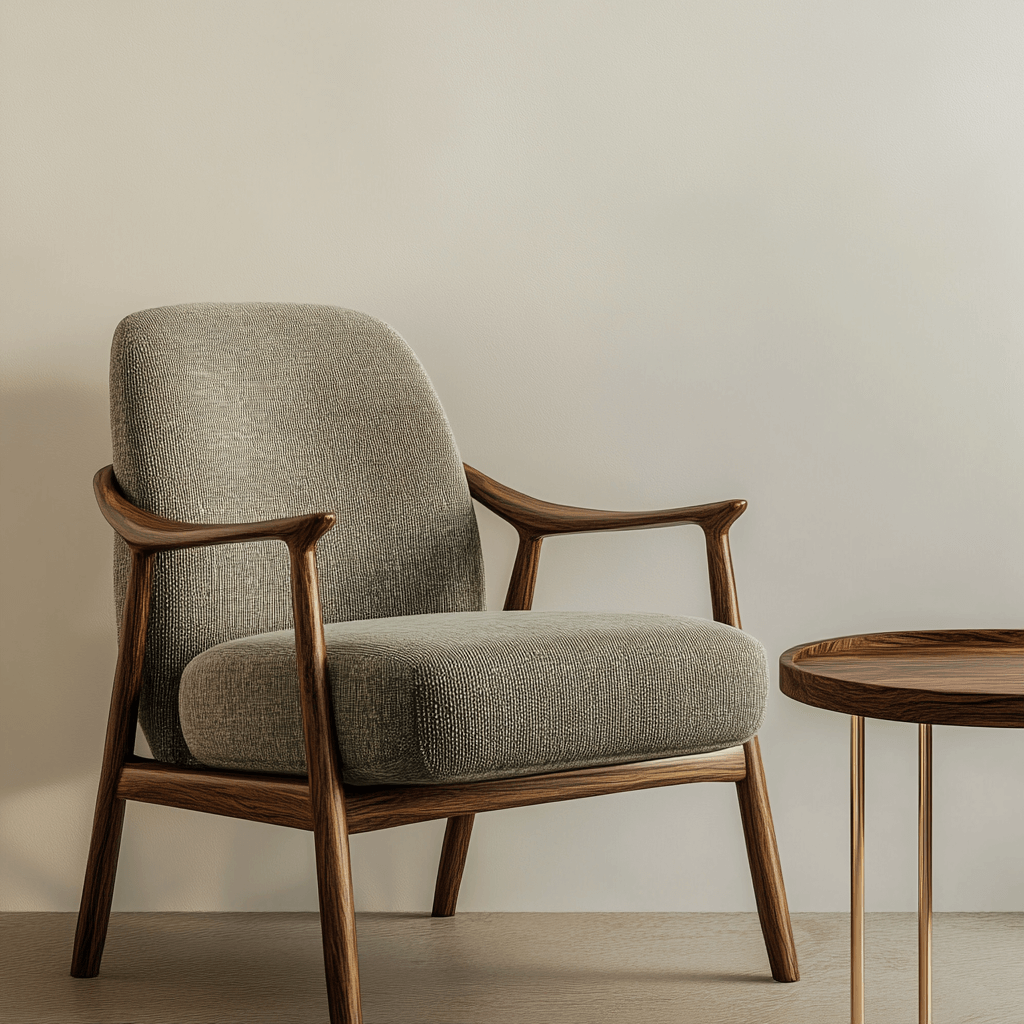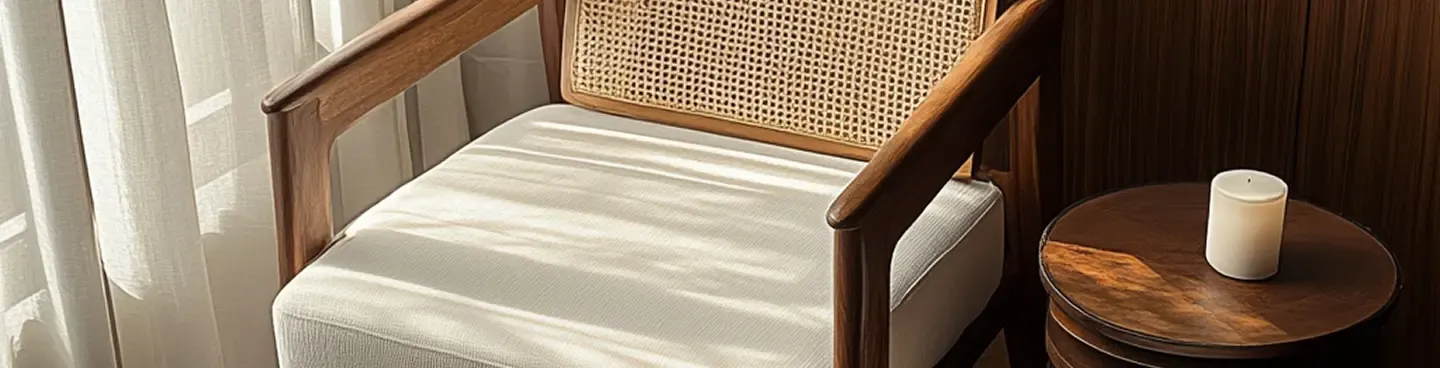
Redefine your space with exquisite designer furniture
Explore our curated selection of designer furniture. Where elegance meets comfort, transforming your home into a haven of style.

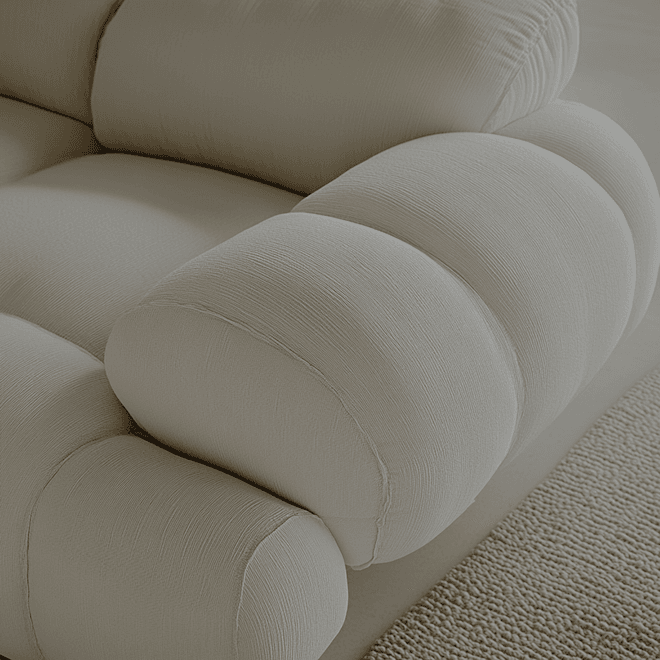
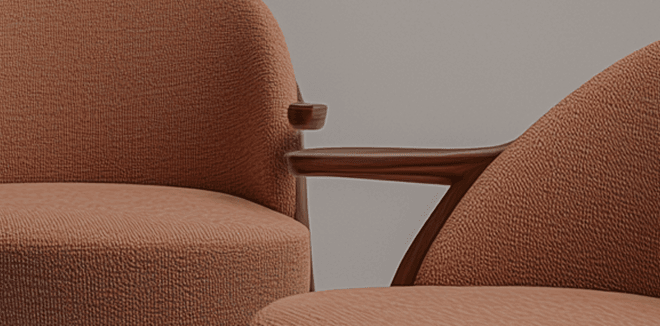
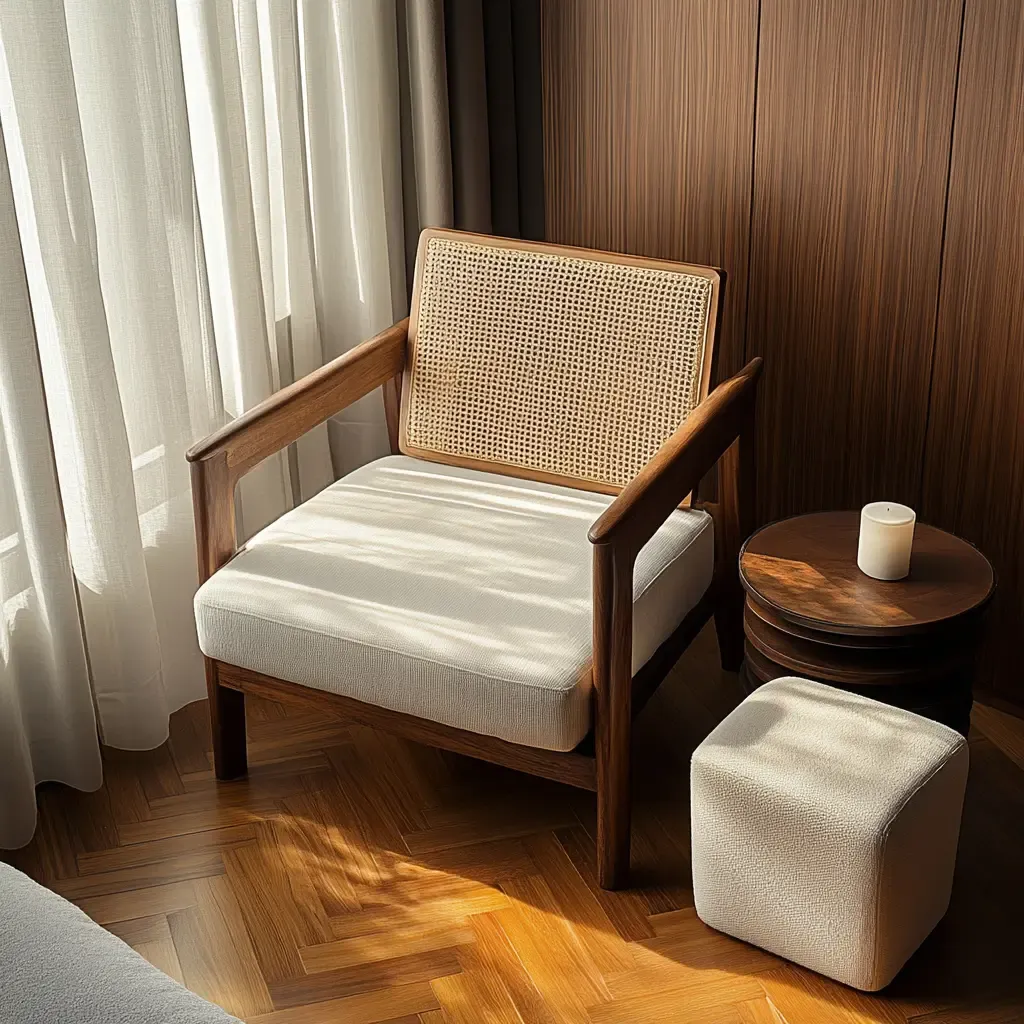
10 years of inspiring interiors
Explore our journey of crafting exquisite designer furniture and our commitment to quality and innovation
About usGet inspired
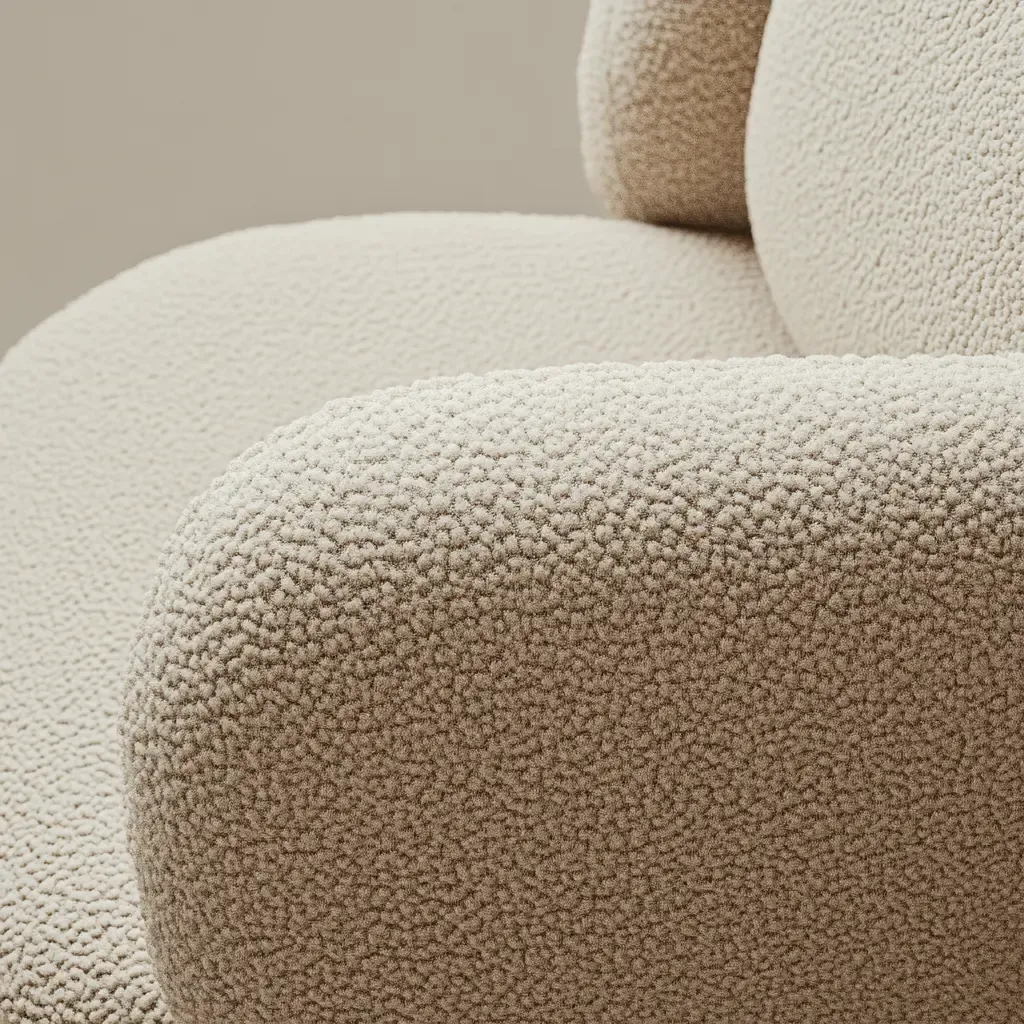
Trends in designer furniture
Discover the latest trends shaping the world of designer furniture and how they’re transforming modern interiors. From sustainable materials to bold silhouettes, today’s furniture trends reflect a blend of innovation, comfort, and artistic expression. Here’s what’s currently defining the design landscape. ## Sustainable & Eco-Friendly Materials Eco-conscious design continues to dominate the furniture scene. Designers are increasingly using recycled materials, responsibly sourced wood, and low-impact production methods. Pieces made from bamboo, reclaimed timber, cork, or recycled metals not only look stylish but also support a more sustainable lifestyle. ## Organic Shapes & Curves Sharp angles and rigid lines are giving way to softer, fluid shapes. Curved sofas, rounded chairs, and sculptural forms bring a tactile, human-centered feel to spaces. These organic silhouettes create a sense of calm and comfort, making rooms feel inviting and visually dynamic. ## Mixed Materials & Textures Layering materials adds depth and character to furniture pieces. Expect to see combinations like wood with metal, glass with marble, or leather with boucle fabric. Mixing textures — smooth, matte, glossy, and tactile — enriches interiors and keeps designs feeling fresh and distinctive. ## Bold Colors & Statement Pieces While minimalist palettes remain popular, bold colors are making a comeback. Rich jewel tones, muted pastels, and saturated hues are used to create iconic statement pieces. Designers are embracing color to evoke emotion and add personality without overwhelming a space. ## Modular & Flexible Design Flexibility is essential for modern living, especially in smaller homes. Modular furniture — from sectional sofas to customizable shelving systems — lets you adapt layouts to suit changing needs. This trend reflects a shift toward versatile design that evolves with your lifestyle. ## Artisanal & Handcrafted Details There’s growing appreciation for craftsmanship and uniqueness. Handcrafted furniture with artisanal finishes, visible joinery, and bespoke details adds warmth and authenticity. These pieces often serve as focal points, blending tradition with contemporary aesthetics.
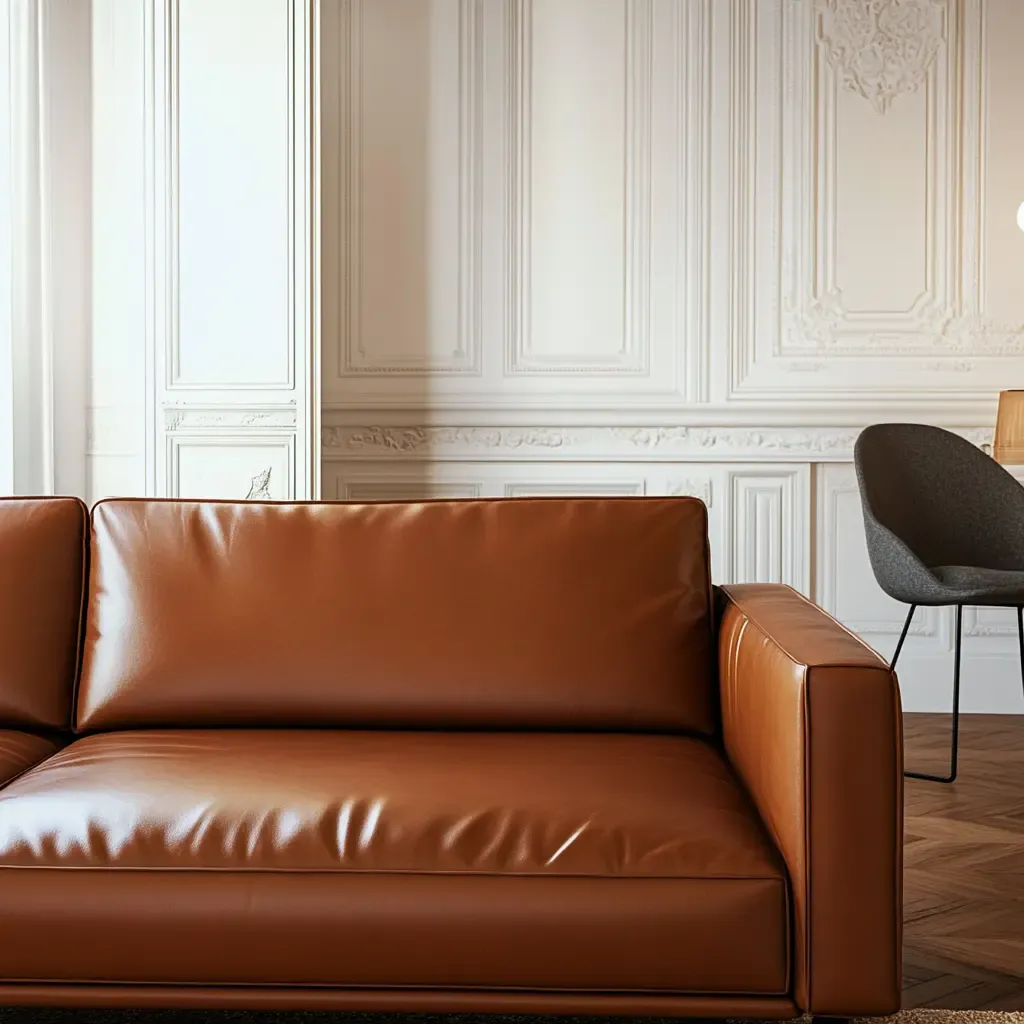
Maximizing small spaces
Learn smart strategies and practical design tricks to make the most of every square meter. Small spaces can feel cozy and stylish rather than cramped—when they’re organized thoughtfully. Whether you live in a studio apartment or simply want to optimize a compact room, here are essential tips for maximizing small spaces. ## Choose Multi-Functional Furniture In small interiors, every piece of furniture should work harder. Opt for items that serve more than one purpose, such as a sofa bed, an ottoman with hidden storage, or a dining table that doubles as a workspace. Foldable or extendable furniture allows you to adapt your space depending on the time of day or your needs. ## Use Vertical Space When floor space is limited, think vertically. Install tall shelving units, wall-mounted cabinets, or floating shelves to store books, décor, and everyday essentials. Hanging hooks and pegboards in kitchens or entryways also help free up valuable surfaces while keeping items easily accessible. ## Keep a Light and Neutral Palette Light colors make a room feel larger and more open. Shades of white, beige, soft gray, or pastels reflect more light and create an airy atmosphere. You can add personality through accent pillows, artwork, or small decorative pieces without overwhelming the space. ## Incorporate Mirrors Strategically Mirrors are a powerful design tool in compact rooms. Placing a large mirror opposite a window helps reflect natural light and visually expand the space. Mirrored furniture or décor elements can also enhance the sense of openness without adding bulk. ## Declutter Regularly Clutter accumulates quickly in small spaces. Adopt a “less is more” mindset by keeping only items you truly use or love. Smart storage solutions—such as baskets, drawer organizers, and under-bed containers—help maintain order and prevent visual chaos.
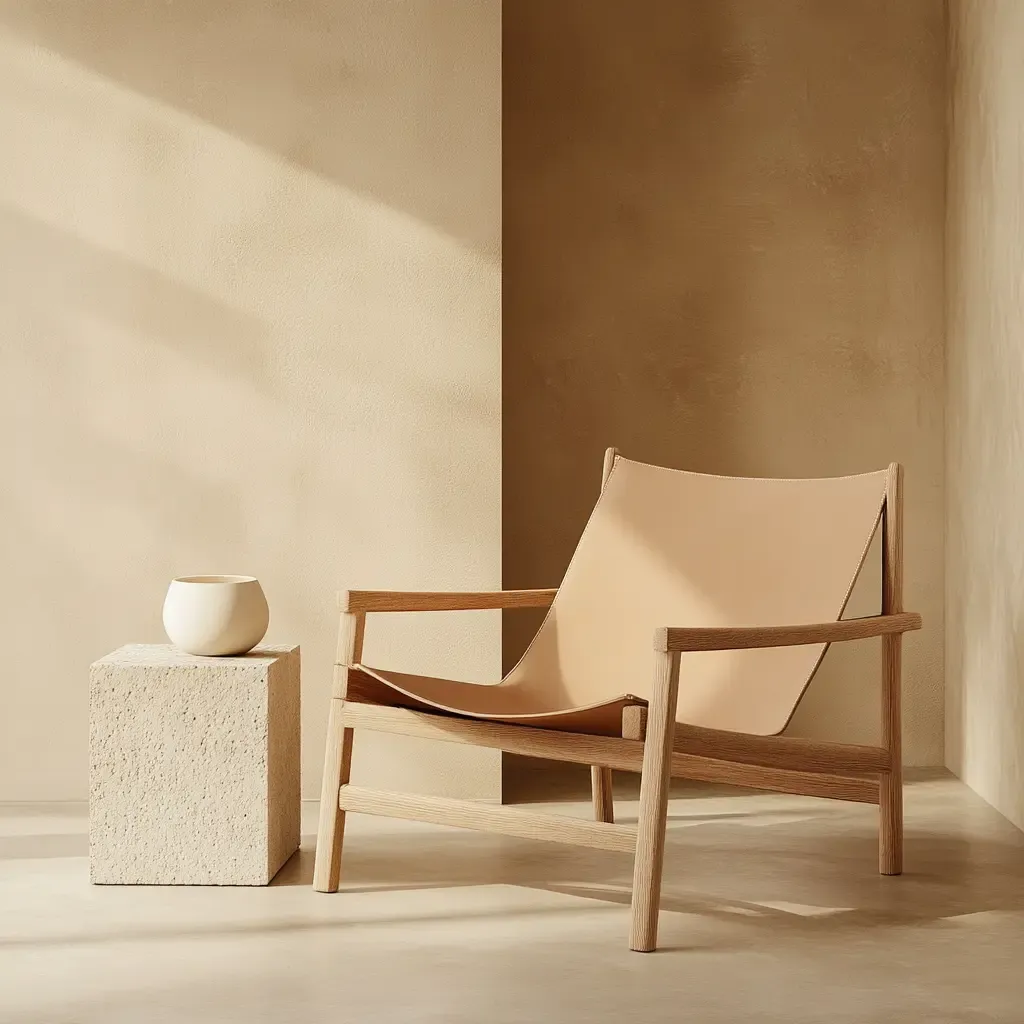
Caring for wood furniture
Learn essential tips and techniques for maintaining and preserving your wooden furniture for years to come. Wood furniture is a timeless addition to any home, bringing warmth and elegance to your living spaces. However, maintaining its beauty and longevity requires proper care. Here are some essential tips for caring for your wood furniture: ## Regular Dusting Dust your furniture regularly to prevent the buildup of dirt and grime. Use a soft, dry cloth, such as a microfiber cloth, which is gentle on the wood surface and effective at capturing dust. Regular dusting helps maintain the finish and keeps your furniture looking its best. ## Avoid Direct Sunlight Prolonged exposure to direct sunlight can cause wood to fade, dry out, and crack. Position your wood furniture away from windows or use window treatments like curtains or blinds to protect it from harsh sunlight. If sunlight exposure is unavoidable, consider rotating the furniture periodically to ensure even aging. ## Clean Spills Immediately Spills can cause stains and water damage if not addressed promptly. Wipe up any spills immediately with a soft, absorbent cloth. Avoid using harsh chemicals or abrasive cleaners, as these can damage the wood finish. Instead, use a mild soap solution if needed, and always dry the surface thoroughly. ## Use Coasters and Mats Protect your wood furniture from heat, moisture, and scratches by using coasters, placemats, and trivets. These protective items create a barrier between the wood and potentially damaging elements like hot dishes, cold drinks, and sharp objects.  ## Polish Occasionally Polishing your wood furniture helps maintain its luster and protects the surface. Use a high-quality furniture polish or wax, applied sparingly, to keep the wood looking vibrant. Follow the manufacturer’s instructions and test the product on a small, inconspicuous area first to ensure compatibility. ## Maintain Humidity Levels Wood is sensitive to changes in humidity, which can cause it to expand or contract. To prevent warping, cracking, or splitting, keep your home’s humidity level stable, ideally between 40-45%. Using a humidifier in dry seasons and a dehumidifier in humid conditions can help maintain optimal humidity levels.
Trends in designer furniture
Discover the latest trends shaping the world of designer furniture and how they’re transforming modern interiors. From sustainable materials to bold silhouettes, today’s furniture trends reflect a blend of innovation, comfort, and artistic expression. Here’s what’s currently defining the design landscape. ## Sustainable & Eco-Friendly Materials Eco-conscious design continues to dominate the furniture scene. Designers are increasingly using recycled materials, responsibly sourced wood, and low-impact production methods. Pieces made from bamboo, reclaimed timber, cork, or recycled metals not only look stylish but also support a more sustainable lifestyle. ## Organic Shapes & Curves Sharp angles and rigid lines are giving way to softer, fluid shapes. Curved sofas, rounded chairs, and sculptural forms bring a tactile, human-centered feel to spaces. These organic silhouettes create a sense of calm and comfort, making rooms feel inviting and visually dynamic. ## Mixed Materials & Textures Layering materials adds depth and character to furniture pieces. Expect to see combinations like wood with metal, glass with marble, or leather with boucle fabric. Mixing textures — smooth, matte, glossy, and tactile — enriches interiors and keeps designs feeling fresh and distinctive. ## Bold Colors & Statement Pieces While minimalist palettes remain popular, bold colors are making a comeback. Rich jewel tones, muted pastels, and saturated hues are used to create iconic statement pieces. Designers are embracing color to evoke emotion and add personality without overwhelming a space. ## Modular & Flexible Design Flexibility is essential for modern living, especially in smaller homes. Modular furniture — from sectional sofas to customizable shelving systems — lets you adapt layouts to suit changing needs. This trend reflects a shift toward versatile design that evolves with your lifestyle. ## Artisanal & Handcrafted Details There’s growing appreciation for craftsmanship and uniqueness. Handcrafted furniture with artisanal finishes, visible joinery, and bespoke details adds warmth and authenticity. These pieces often serve as focal points, blending tradition with contemporary aesthetics.
Maximizing small spaces
Learn smart strategies and practical design tricks to make the most of every square meter. Small spaces can feel cozy and stylish rather than cramped—when they’re organized thoughtfully. Whether you live in a studio apartment or simply want to optimize a compact room, here are essential tips for maximizing small spaces. ## Choose Multi-Functional Furniture In small interiors, every piece of furniture should work harder. Opt for items that serve more than one purpose, such as a sofa bed, an ottoman with hidden storage, or a dining table that doubles as a workspace. Foldable or extendable furniture allows you to adapt your space depending on the time of day or your needs. ## Use Vertical Space When floor space is limited, think vertically. Install tall shelving units, wall-mounted cabinets, or floating shelves to store books, décor, and everyday essentials. Hanging hooks and pegboards in kitchens or entryways also help free up valuable surfaces while keeping items easily accessible. ## Keep a Light and Neutral Palette Light colors make a room feel larger and more open. Shades of white, beige, soft gray, or pastels reflect more light and create an airy atmosphere. You can add personality through accent pillows, artwork, or small decorative pieces without overwhelming the space. ## Incorporate Mirrors Strategically Mirrors are a powerful design tool in compact rooms. Placing a large mirror opposite a window helps reflect natural light and visually expand the space. Mirrored furniture or décor elements can also enhance the sense of openness without adding bulk. ## Declutter Regularly Clutter accumulates quickly in small spaces. Adopt a “less is more” mindset by keeping only items you truly use or love. Smart storage solutions—such as baskets, drawer organizers, and under-bed containers—help maintain order and prevent visual chaos.
Caring for wood furniture
Learn essential tips and techniques for maintaining and preserving your wooden furniture for years to come. Wood furniture is a timeless addition to any home, bringing warmth and elegance to your living spaces. However, maintaining its beauty and longevity requires proper care. Here are some essential tips for caring for your wood furniture: ## Regular Dusting Dust your furniture regularly to prevent the buildup of dirt and grime. Use a soft, dry cloth, such as a microfiber cloth, which is gentle on the wood surface and effective at capturing dust. Regular dusting helps maintain the finish and keeps your furniture looking its best. ## Avoid Direct Sunlight Prolonged exposure to direct sunlight can cause wood to fade, dry out, and crack. Position your wood furniture away from windows or use window treatments like curtains or blinds to protect it from harsh sunlight. If sunlight exposure is unavoidable, consider rotating the furniture periodically to ensure even aging. ## Clean Spills Immediately Spills can cause stains and water damage if not addressed promptly. Wipe up any spills immediately with a soft, absorbent cloth. Avoid using harsh chemicals or abrasive cleaners, as these can damage the wood finish. Instead, use a mild soap solution if needed, and always dry the surface thoroughly. ## Use Coasters and Mats Protect your wood furniture from heat, moisture, and scratches by using coasters, placemats, and trivets. These protective items create a barrier between the wood and potentially damaging elements like hot dishes, cold drinks, and sharp objects.  ## Polish Occasionally Polishing your wood furniture helps maintain its luster and protects the surface. Use a high-quality furniture polish or wax, applied sparingly, to keep the wood looking vibrant. Follow the manufacturer’s instructions and test the product on a small, inconspicuous area first to ensure compatibility. ## Maintain Humidity Levels Wood is sensitive to changes in humidity, which can cause it to expand or contract. To prevent warping, cracking, or splitting, keep your home’s humidity level stable, ideally between 40-45%. Using a humidifier in dry seasons and a dehumidifier in humid conditions can help maintain optimal humidity levels.